Full burrow and entry inspection
Flashlight and inspection mirror walk of the foundation, crawl space, and yard. We flag every burrow, runway, and gap, then photograph them for your records.
Rat Burrow Removal in Georgia means finding every active tunnel, sealing it, and stopping the rats that use it. Our licensed technicians handle rat burrow elimination Georgia homeowners trust for yards, crawl spaces, and foundations. If you are seeing fresh dirt mounds, greasy runways, or droppings along a fence line, call us today at (833) 9383-854.
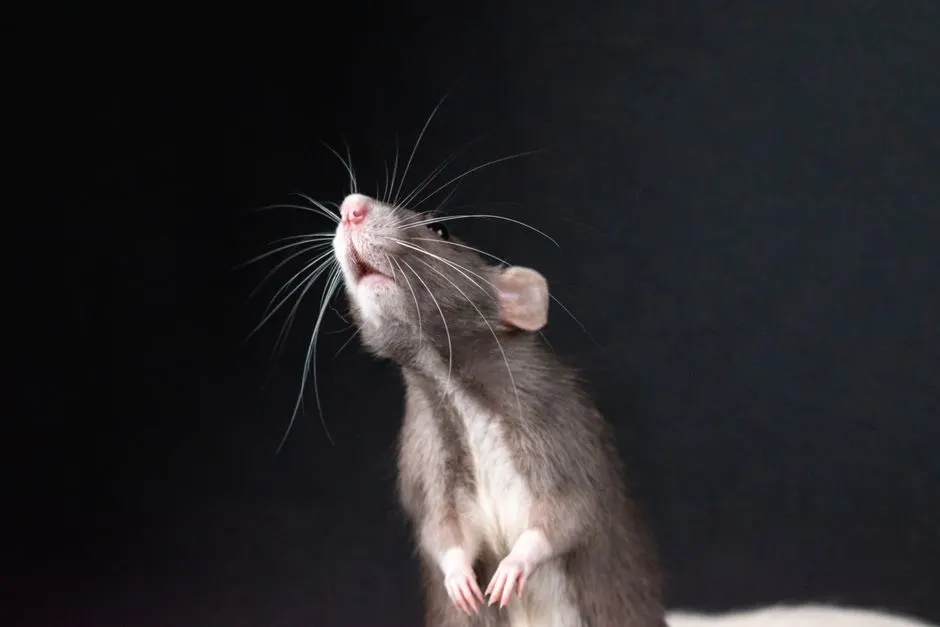
Rat Burrow Removal in Georgia is a structural pest control service that locates active rat tunnels, removes the rats using them, and permanently seals the burrow network so new rats cannot move back in. We start with a flashlight-and-mirror inspection of the foundation line, crawl space vents, and any dirt bank within 30 feet of the structure. Then we map every opening, set snap traps and bait stations where the runways actually are, and backfill with hardware cloth and exclusion sealant once the tunnels are inactive.
Georgia yards give rats plenty of cover. Red clay soil holds a burrow shape for years, pine straw and ivy hide entry points, and our humid summers keep crawl spaces warm enough for rats to breed year-round. That is why rat burrow treatment in Georgia often runs two visits instead of one. The first clears the active colony, the second confirms the tunnels are dead and seals them before the next litter moves in.
Every burrow job includes the full inspection, trapping, tunnel treatment, exclusion sealing, and a follow-up visit. Sanitation and insulation replacement are added when the crawl space has contamination. You get the scope in writing before we start, and the price does not change unless you approve an add-on.
Flashlight and inspection mirror walk of the foundation, crawl space, and yard. We flag every burrow, runway, and gap, then photograph them for your records.
Victor snap traps and JT Eaton bait stations set where the rats actually travel, checked every 48 to 72 hours until activity stops.
Rodenticide treatment where label allows, then tunnel collapse and backfill with hardware cloth and soil so the burrow shape is gone.
Copper mesh, steel wool, and exclusion sealant applied to foundation gaps, vents, and pipe penetrations. This is the step that makes the fix permanent.
Contaminated debris removed, then disinfectant and deodorizer applied to knock down rat urine odor and droppings in the crawl space.
A second visit 10 to 14 days later confirms the burrows are dead and the seals are holding. Covered under our one-year workmanship warranty.
A licensed technician walks the foundation, crawl space, and yard with a flashlight and inspection mirror. We flag every burrow, runway, and entry point, then photograph them so you can see exactly what we found. Most inspections take 45 to 60 minutes on a typical Georgia lot.
We set Victor snap traps and JT Eaton bait stations at the active runways, not scattered randomly. Traps get checked on a fixed schedule, usually every 48 to 72 hours, until activity stops. You do not handle anything yourself.
Once the tunnels are inactive, we treat them with rodenticide where label and site conditions allow, then collapse and backfill. This is the step that turns a temporary knockdown into rat burrow elimination Georgia homeowners can actually count on.
We close entry points with copper mesh, steel wool, hardware cloth, and exclusion sealant. Crawl space vents, sill gaps, and pipe penetrations get the same treatment. This is the part that keeps new rats from digging the same tunnel next season.
We remove droppings and contaminated insulation, then apply disinfectant and deodorizer. A follow-up visit 10 to 14 days later confirms the burrows are dead and the seals are holding. If activity returns inside the warranty window, we come back.
A licensed technician walks the foundation, crawl space, and yard with a flashlight and inspection mirror. We flag every burrow, runway, and entry point, then photograph them so you can see exactly what we found. Most inspections take 45 to 60 minutes on a typical Georgia lot.
Set on active runways inside burrows and along foundation walls. Fast, humane, and easy to check on a fixed schedule.
Tamper-resistant stations placed where pets and kids cannot reach them. Used under EPA pesticide applicator certification.
Packed into foundation gaps, pipe penetrations, and vent openings. Rats cannot chew through copper the way they chew through foam or plastic.
Buried at the foundation line and over crawl space vents. It stops rats from digging back into a sealed tunnel.
Used to see into burrow openings and crawl space corners without disturbing the tunnel. Every burrow gets photographed before we treat it.
Worn on every crawl space entry under OSHA safety compliance. Droppings and insulation dust are not something to breathe.
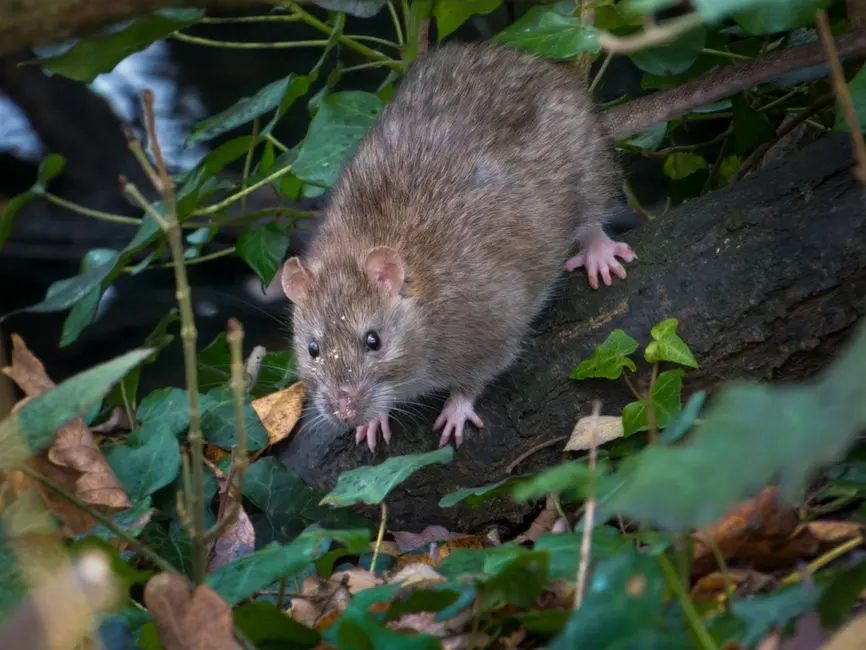
Three active burrows under a back porch, fresh dirt pushed out every morning, and droppings along the foundation. The homeowner had tried bait blocks for six weeks with no change in activity.
After: Trapping ran for 12 days until activity stopped. We collapsed and backfilled all three tunnels, sealed the porch footing with copper mesh and exclusion sealant, and replaced 8 feet of damaged vapor barrier in the crawl space.
Book this service →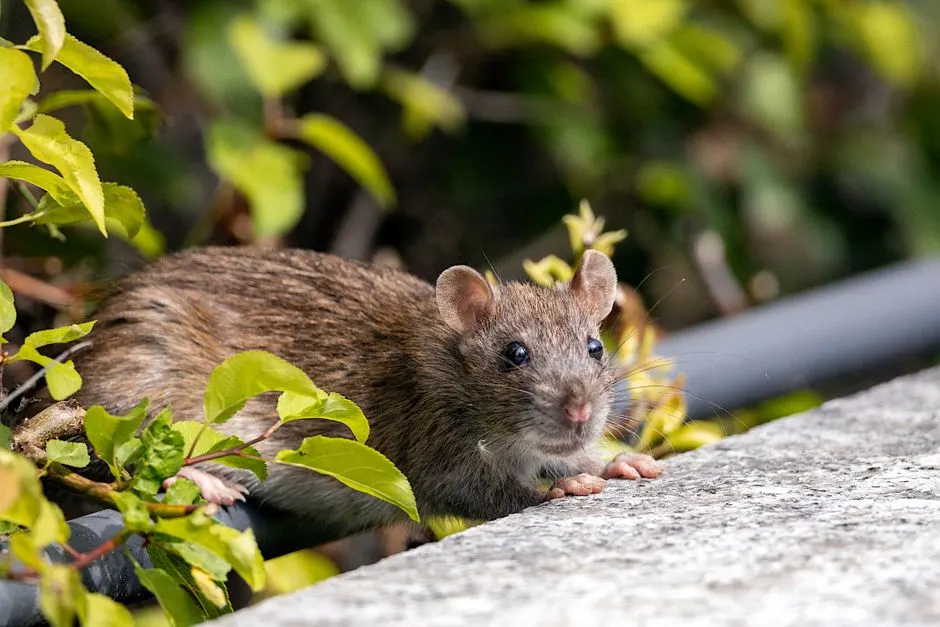
Rats had been in the crawl space for months. Insulation was soaked with urine, the vapor barrier was chewed through in two places, and the burrow ran under the HVAC pad. The smell was noticeable in the hallway.
After: We removed the rats, pulled out 120 square feet of contaminated insulation, applied disinfectant and deodorizer, and sealed the burrow and both crawl space vents. The odor was gone within a week.
Book this service →
Two units in a four-plex had burrows along the shared foundation wall. The property manager had received tenant complaints for two months and needed documentation for the owner.
After: Both units were treated in the same week. Traps were checked on schedule without requiring tenant access, tunnels were sealed, and we provided photos and a written summary for the owner's records.
Book this service →Most homeowners call us after they have already tried something. Here are the four problems we see most often on Georgia properties, and what it takes to actually fix them.
Ask a pro →We trap the active runways first, confirm activity has stopped, then collapse and backfill the tunnels with hardware cloth. Sealing an active burrow just moves rats to the next tunnel, so the order matters.
We remove contaminated insulation and debris, apply disinfectant and deodorizer, and seal the burrow route the rats used to get in. Most crawl spaces smell normal again within a week.
Once the burrow is sealed and the rats are out, we replace damaged vapor barrier and insulation. We document the damage with photos so you know exactly what was repaired.
Exclusion sealing is the difference. We close the foundation line with copper mesh, steel wool, and exclusion sealant, then back it with a one-year workmanship warranty on the seals.
Most Georgia burrow jobs run $180 to $450 for a single active network, and $450 to $850 when crawl space sealing or sanitation is added. Typical 2026 pricing depends on how many burrows are active, whether the crawl space is involved, and how much exclusion work the foundation needs. We quote the full scope before we start.
You trap the rats out first, then collapse and seal the tunnels. Sealing an active burrow just pushes rats into the next tunnel over, which is why the order matters. A licensed technician sets traps on the runways, confirms activity has stopped, then backfills with hardware cloth and exclusion sealant.
It involves a full inspection, trap placement on active runways, rodenticide treatment where allowed, tunnel collapse, and exclusion sealing at the foundation line. We also remove contaminated debris and apply disinfectant and deodorizer. Most jobs take two visits, roughly 10 to 14 days apart, with a follow-up to confirm the burrows are dead.
Yes. Rat burrows carry droppings, urine, and parasites, and they channel water toward your foundation, which can soften soil under a slab or porch. Rats in the burrow also gnaw wiring and insulation once they get inside a crawl space. Sealing the burrow removes both the disease risk and the structural risk.
We run rat burrow elimination Georgia-wide, from the coastal plain to the mountains. Same process, same licensing, same one-year warranty whether you are in Pelham or Flowery Branch. Below are a few of the communities we cover regularly.
Sandy coastal plain soil makes burrows shallower and wider here. We probe the foundation line and seal with hardware cloth sized for that soil type.
↗ 02 ExperimentRural properties with outbuildings and sheds. We treat the shed perimeter and the house foundation in the same visit so rats have nowhere to relocate.
↗ 03 Flowery BranchLake-adjacent lots with retaining walls and heavy ground cover. Burrows often start behind wall footings where soil stays damp.
↗ 04 ThomasvilleOlder wood-frame homes with crawl space vents. We seal vents and burrows together, then sanitize the crawl space if droppings are present.
↗ 05 CorneliaMountain foothill properties where rats move indoors earlier in the fall. We schedule burrow work before the first cold snap when possible.
↗ 06 MonroeRed clay soil holds tunnel shape for years here. We collapse and backfill thoroughly so old burrows cannot be reused next season.
↗ 07 OcillaAgricultural surroundings push rats toward structures. We focus on the foundation line and any grain or feed storage within 50 feet.
↗ 08 HardwickMix of older homes and newer construction. We check both crawl space vents and slab penetrations, since entry points vary by build year.
↗ 09 LeesburgWarm, humid conditions mean year-round breeding. Burrow jobs here often need the full two-visit process plus a follow-up confirmation.
↗ 10 BremenWest Georgia clay and mature landscaping. We pull mulch back from the foundation and seal gaps that pine straw has been hiding.
↗ 11 AshburnCoastal plain heat and sandy soil. Burrows tend to run along porch slabs and HVAC pads, which is where we place traps first.
↗ 12 ForsythCentral Georgia properties with detached garages. Garage slab edges are the most common burrow start point we find here.
↗ 13 GlennvilleRural southeast Georgia. We handle burrows around homes, barns, and outbuildings, and seal the full perimeter in one visit.
↗ 14 SenoiaNewer subdivisions with fresh landscaping. Burrows often appear under newly installed mulch beds within the first two years.
↗ 15 BarnesvilleOlder housing stock with pier-and-beam foundations. Crawl space access is usually good, which lets us trap inside and out on the same day.
↗Active burrows get worse every week. Call (833) 9383-854 and we will schedule an inspection, quote the full scope upfront, and back the work with a one-year warranty.
Book an Inspection (833) 9383-854 →Reach us any hour at (833) 9383-854 for a free inspection and a written price. We answer live, day or night, and dispatch statewide across Georgia. Most jobs are scheduled same-day or next-day, and emergency calls get a technician out within 60 to 90 minutes.